• Apr 20, 2025

Untitled

Understanding the Basics of Minimum Wage: A Guide to the U.S. Department of Labor Regulations
Minimum Wage - YouTube
The concept of minimum wage has been a cornerstone of labor laws in the United States, ensuring that workers are fairly compensated for their labor. The U.S. Department of Labor plays a crucial role in regulating and enforcing minimum wage laws, protecting the rights of employees across the country. In this article, we will delve into the world of minimum wage, exploring its history, current rates, and the role of the U.S. Department of Labor in enforcing these regulations.
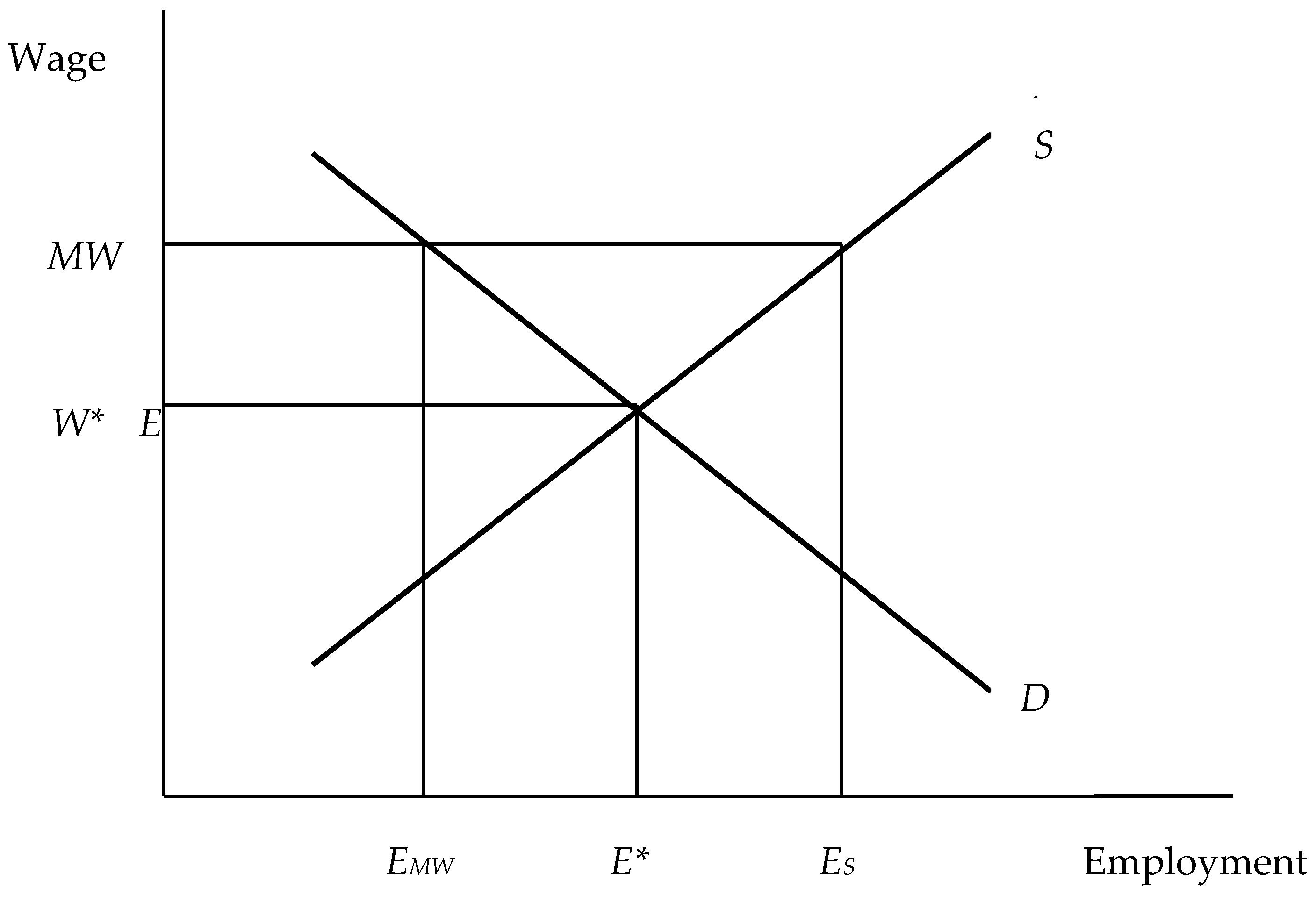
The Classic Minimum Wage Case โ€“ TowLawyer
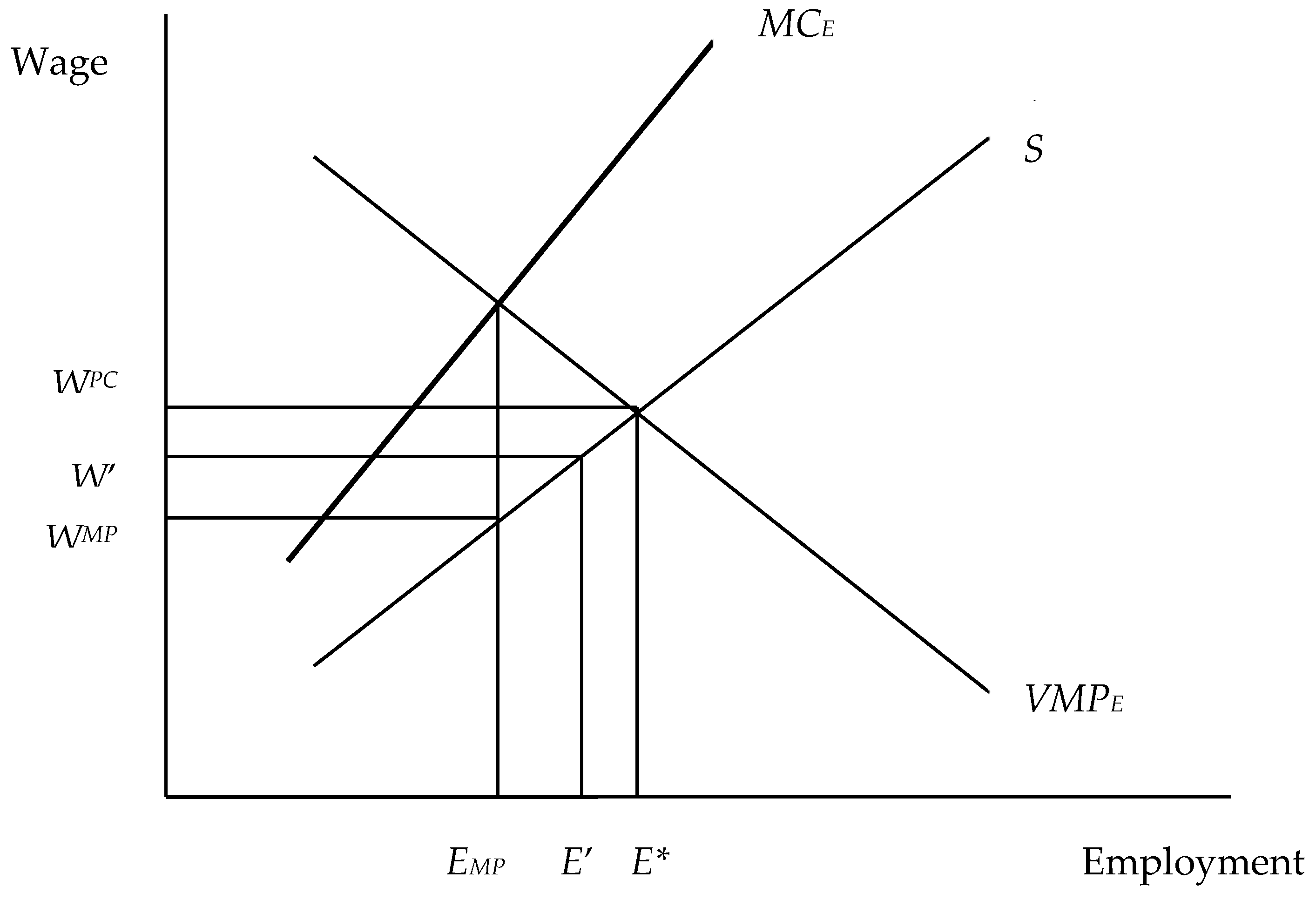
Employment Effect of Minimum Wages

A Brief History of Minimum Wage

How you know minimum wage increase was a success | ROI-NJ
The Fair Labor Standards Act (FLSA), signed into law by President Franklin D. Roosevelt in 1938, introduced the concept of minimum wage to the United States. The initial minimum wage was set at $0.25 per hour, with the aim of protecting workers from exploitation and ensuring a basic level of income. Over the years, the minimum wage has undergone numerous changes, with rates increasing to reflect inflation, cost of living, and economic conditions.
Minimum Wage Increases to Take Effect July 1 - MD|DC Credit Union ...
We need a ยฃ15 minimum wage, this is how to get there โ€“ TUC

Current Minimum Wage Rates

Employment Effect of Minimum Wages
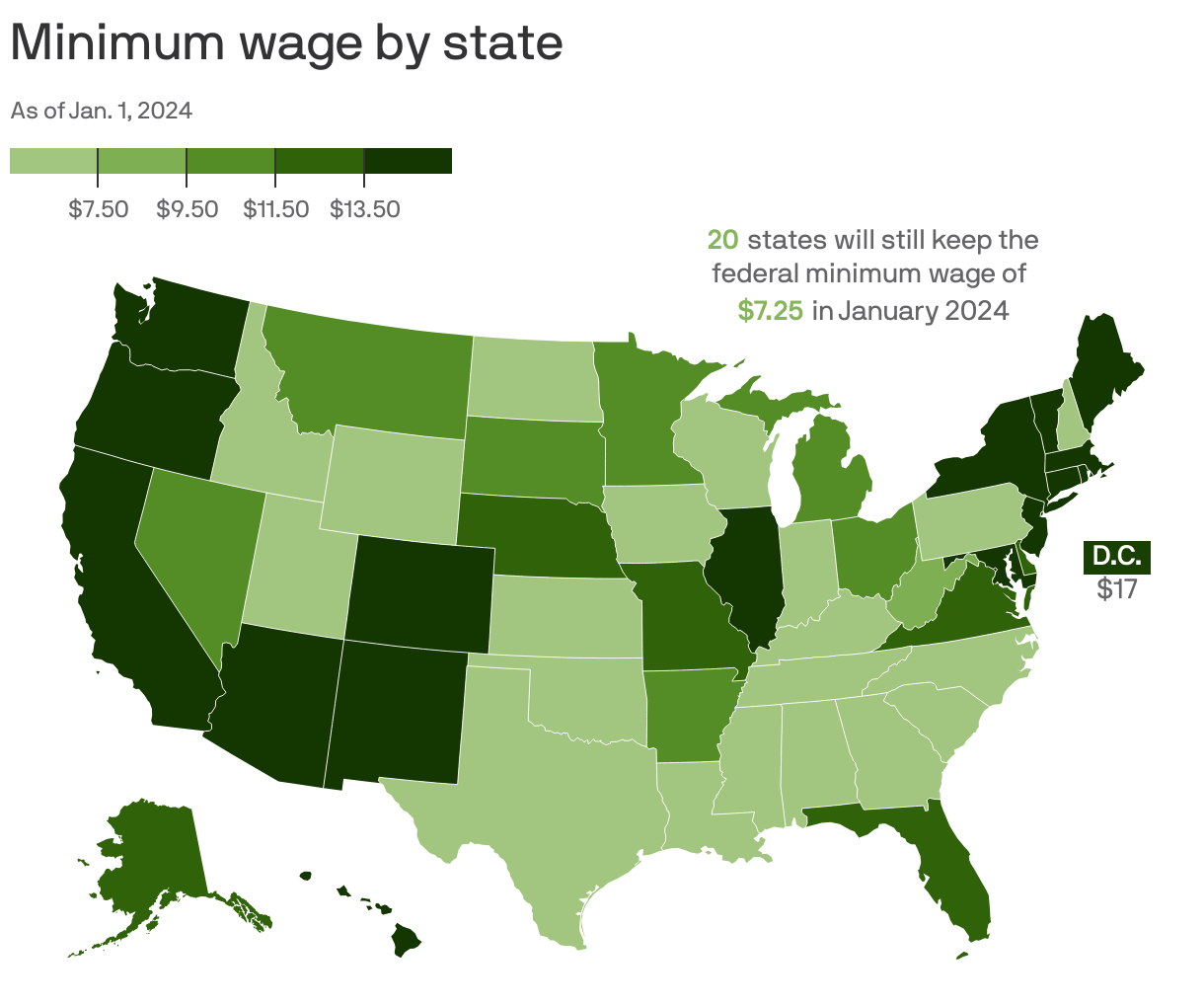
As of 2022, the federal minimum wage is set at $7.25 per hour for non-exempt employees. However, many states and local jurisdictions have established their own minimum wage rates, which may be higher than the federal rate. For example, California, New York, and Washington have implemented higher minimum wages, ranging from $12 to $15 per hour. Employers are required to pay the highest applicable minimum wage rate, whether it is federal, state, or local.
Shettima inaugurates minimum wage committee - Daily Trust
See the 22 states where minimum wage is going up in Jan. 2024

The Role of the U.S. Department of Labor

The U.S. Department of Labor, through its Wage and Hour Division, is responsible for enforcing minimum wage laws. The department ensures that employers comply with federal and state regulations, conducting investigations and audits to prevent wage theft and exploitation. The U.S. Department of Labor also provides guidance and resources to employers, helping them understand their obligations and responsibilities under the FLSA.
Average Wages, the Minimum Wage, and Compliance in Indonesia, 1990-99 ...

Key Provisions of the FLSA

The FLSA establishes several key provisions related to minimum wage, including: Minimum wage rate: The minimum hourly rate that employers must pay non-exempt employees. Overtime pay: Employers must pay overtime rates of at least 1.5 times the regular rate for hours worked in excess of 40 per week. Recordkeeping: Employers must maintain accurate records of employee hours, wages, and other employment-related information. Child labor: The FLSA regulates the employment of minors, restricting the types of jobs and hours that can be worked by young workers. In conclusion, the U.S. Department of Labor plays a vital role in regulating and enforcing minimum wage laws, protecting the rights of employees and ensuring fair compensation for their labor. By understanding the basics of minimum wage and the provisions of the FLSA, employers can ensure compliance with federal and state regulations, while employees can advocate for their rights and fair treatment in the workplace. As the economy continues to evolve, it is essential to stay informed about changes to minimum wage laws and regulations, promoting a fair and equitable work environment for all. Note: The information provided in this article is subject to change and may not reflect the most up-to-date regulations or rates. Employers and employees should consult the U.S. Department of Labor website or consult with a qualified professional for the most current information.